
Healthcare & Critical Environments
Plan controls changes around critical operations.
Controls for hospitals, labs, and other critical environments.
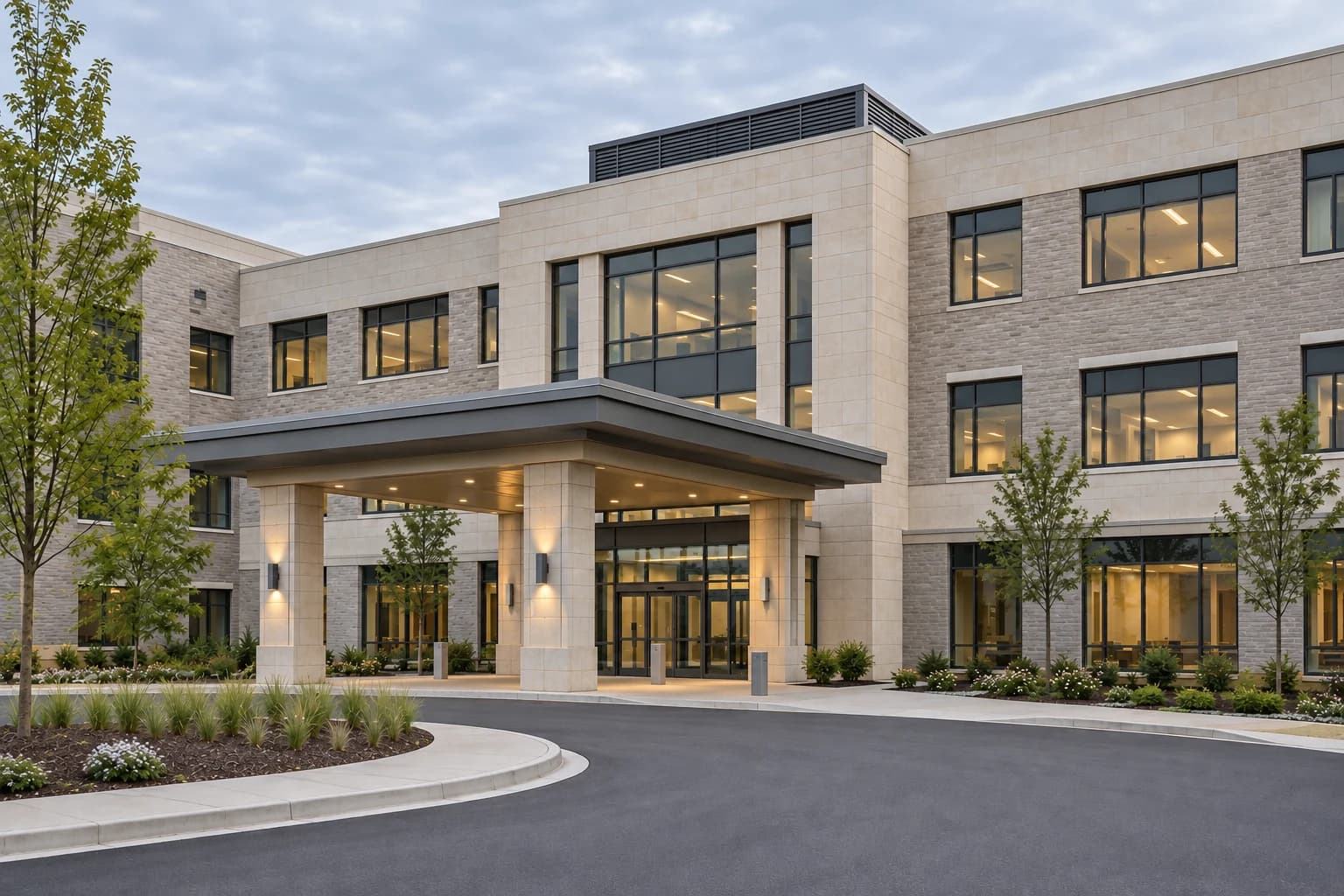
The operating priorities.
Pressure relationships
Operators need clear views of pressure relationships in operating rooms, isolation rooms, pharmacies, and cleanrooms. Raw sensor lists can make those relationships difficult to read.
Ventilation compliance
Trending and documentation support review of the applicable ASHRAE 170 air-change and filtration requirements.
Planning controls changes
Controls work in hospitals and data halls needs change control, rollback planning, and a review of redundancy before changes are made.
Tight tolerances and validation
Labs and cleanrooms have specific temperature, humidity, and particulate requirements. Complete, time-stamped, retrievable trend data supports validation and audit review.
Where SOMA fits.
Match the controls scope to the building’s needs. These services are a starting point for the conversation.
Protect the operation. Keep the record.
Documentation your team needs
- Trend records for air changes, pressure, and temperature to support audit review.
- Sequence narratives and validation records for regulated spaces.
Plan around the risks
- Undetected pressure or ventilation excursions can create patient-safety and compliance risks.
- Controls changes without rollback plans put continuity in critical areas at risk.
Other building contexts.
Define the operating and verification requirements.
Start with the installed systems, operating priorities and the records you have.